


Exploring Magazine Content Page Designs: From Classic to Creative"
- Sep 3, 2022
- 2 min read

Content page designs in magazines are essential for guiding readers through the publication's content, enhancing readability, and providing a visually pleasing experience. Different types of content page designs can be employed based on the magazine's layout, genre, and target audience. Here's an analysis of various content page design styles:
1. Traditional Table of Contents:
This classic design features a list of articles, sections, or features along with their corresponding page numbers.
It is easy to navigate and provides a straightforward overview of the magazine's content.
Suitable for magazines with a diverse range of topics and a more formal presentation.

2. Visual Grid Layout:
Utilizes a grid structure to present content with images, short descriptions, and page numbers in a visually appealing manner.
Ideal for magazines focusing on visuals, such as photography, art, or design publications.
Allows for creative compositions and easily draws the reader's attention to specific features.
3. Carousel or Flipbook Style:
Resembles a digital carousel or a physical flipbook with thumbnails or images of different articles or sections.
Often used in digital magazines to offer an interactive and dynamic browsing experience.
Suitable for magazines targeting a tech-savvy or digital-native audience.

4. Chapter-Style Pages:
Divides the content into chapters or sections, with each section starting on a new page spread.
Creates a clear distinction between different themes or topics covered in the magazine.
Can be effective for magazines with longer, in-depth articles or features.

5. Magazine-Within-a-Magazine:
Presents each major section or topic as a mini-magazine with its own unique design and layout.
Suitable for magazines covering diverse subjects or for special themed editions.
Gives a sense of cohesiveness to each section and allows for creative experimentation.
6. Collage-Style Content Page:
Employs a collage of images, snippets of articles, and graphics to showcase the magazine's highlights.
Offers an eclectic and artistic presentation, making it suitable for artsy or alternative magazines.
May include overlapping elements and varying font styles to create a distinctive look.

7. Minimalist and Clean Design:
Focuses on simplicity, using ample white space and clear typography to present content.
Ideal for magazines aiming for a modern and sophisticated feel.
Emphasizes readability and allows content to stand out without distractions.
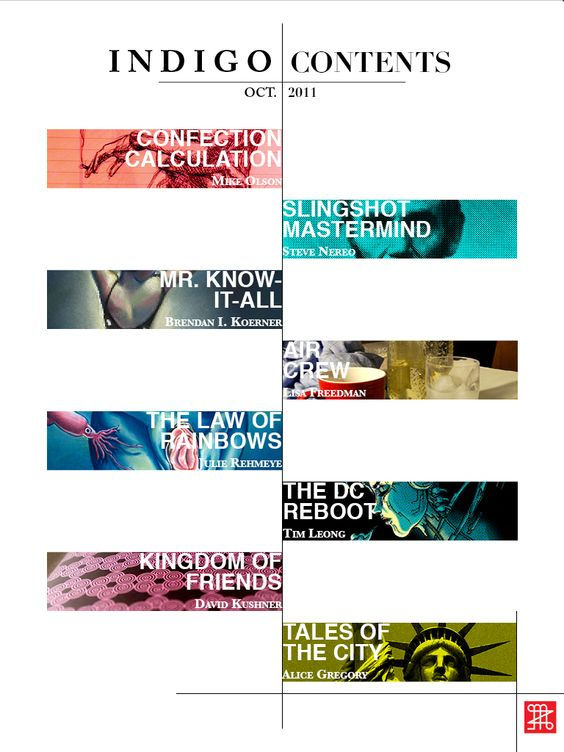
8. Sidebar Navigation:
Places a vertical or horizontal sidebar with links or thumbnails to different articles or sections.
Provides quick navigation, especially for magazines with extensive content.
Commonly used in digital publications and websites.
The choice of content page design depends on the magazine's branding, content diversity, and visual style. Some magazines may also incorporate a mix of these design styles throughout their publication to create a dynamic and engaging reading experience. Ultimately, the goal is to make it easy for readers to find and enjoy the content they are interested in while reinforcing the magazine's identity and aesthetic.





Comments